
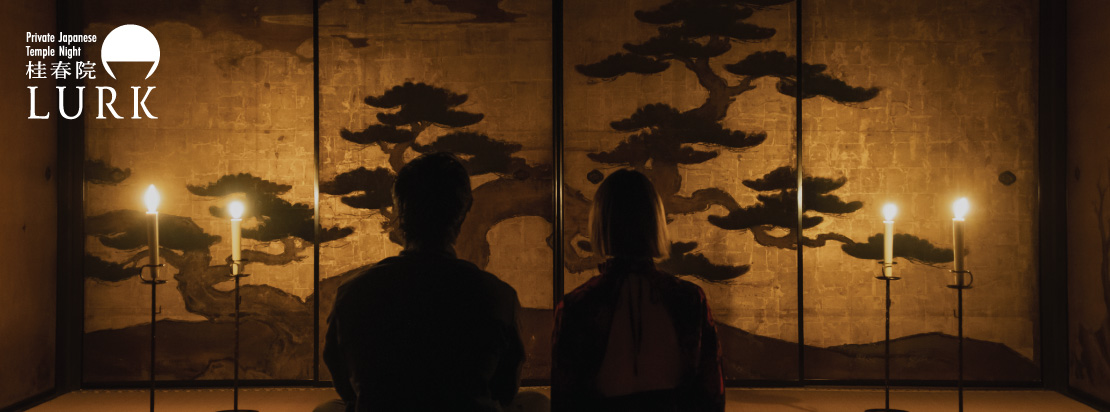
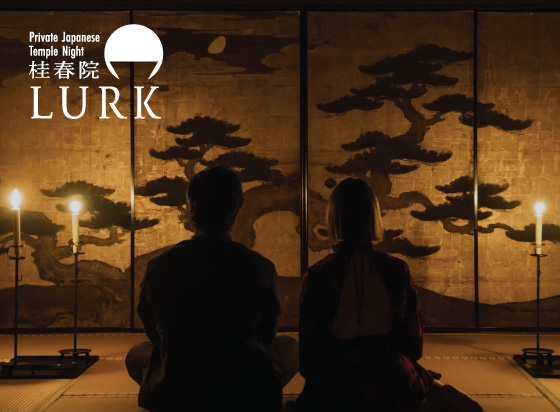
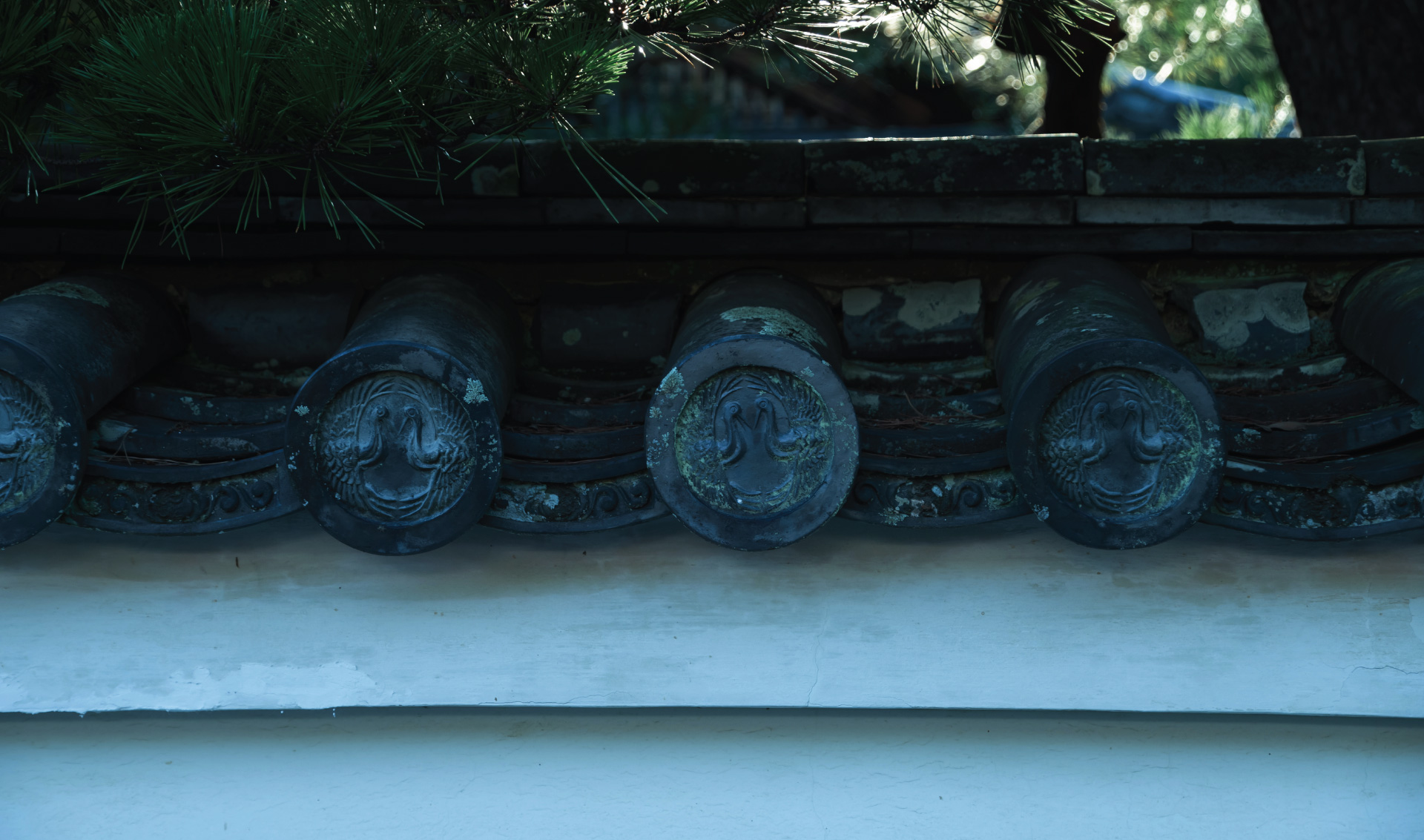
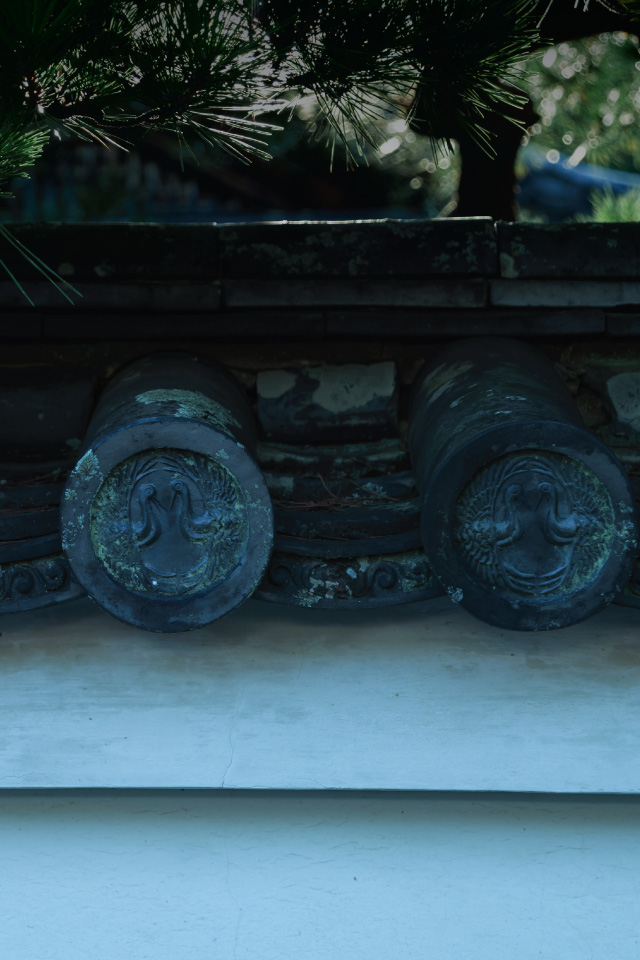
The origins of Keishunin Temple date back to the Azuchi-Momoyama period.It was founded here by Tsuda Hidenori, a grandson of Oda Nobunaga, and later restored by Ishikawa Sadamasa, who served both Toyotomi Hideyoshi and Tokugawa Ieyasu.For nearly 400 years, the buildings and interiors have retained their original form, allowing visitors to experience the atmosphere of an ancient Kyoto temple town and the solemn presence of a Zen temple to this day.
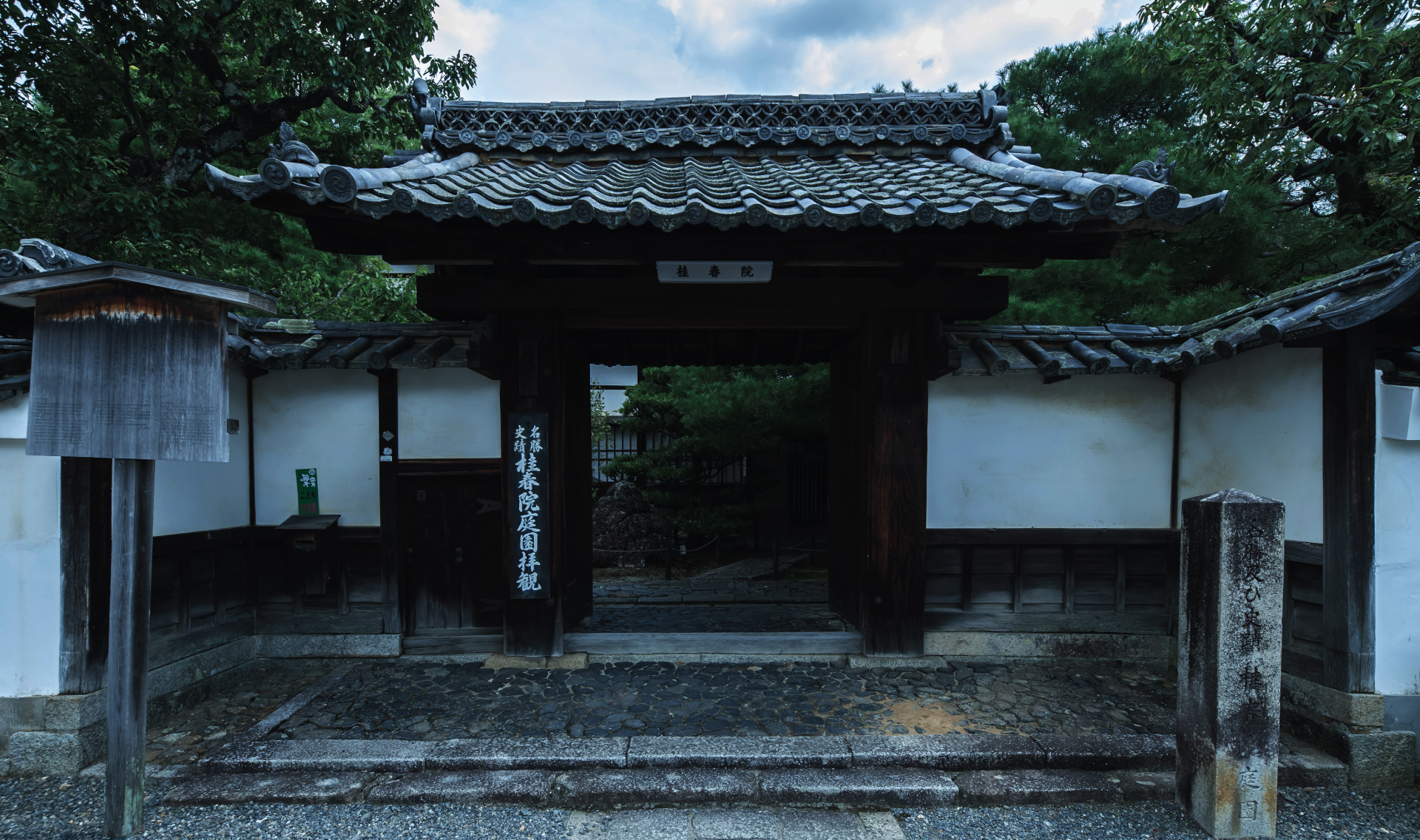
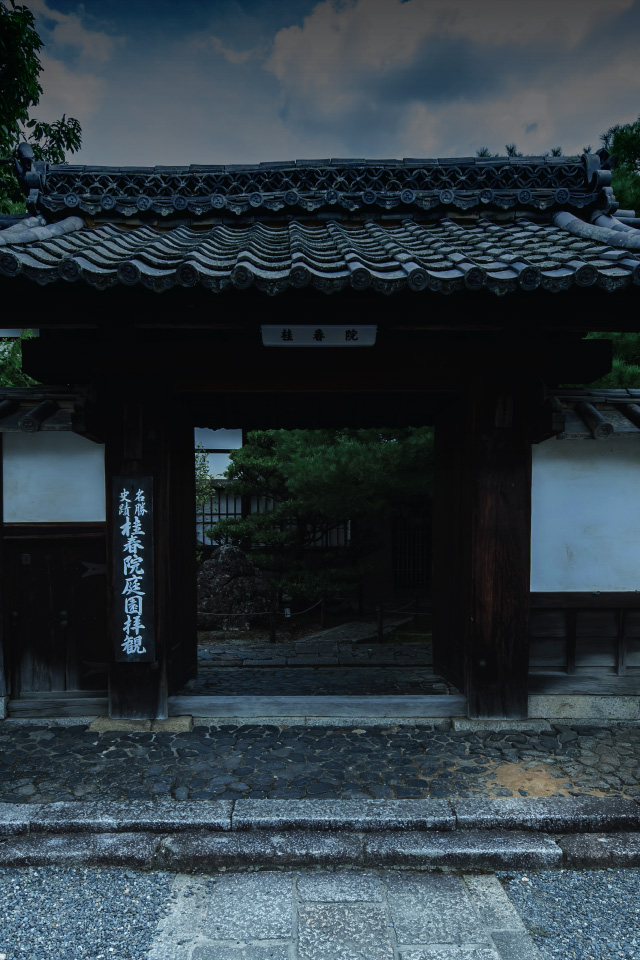
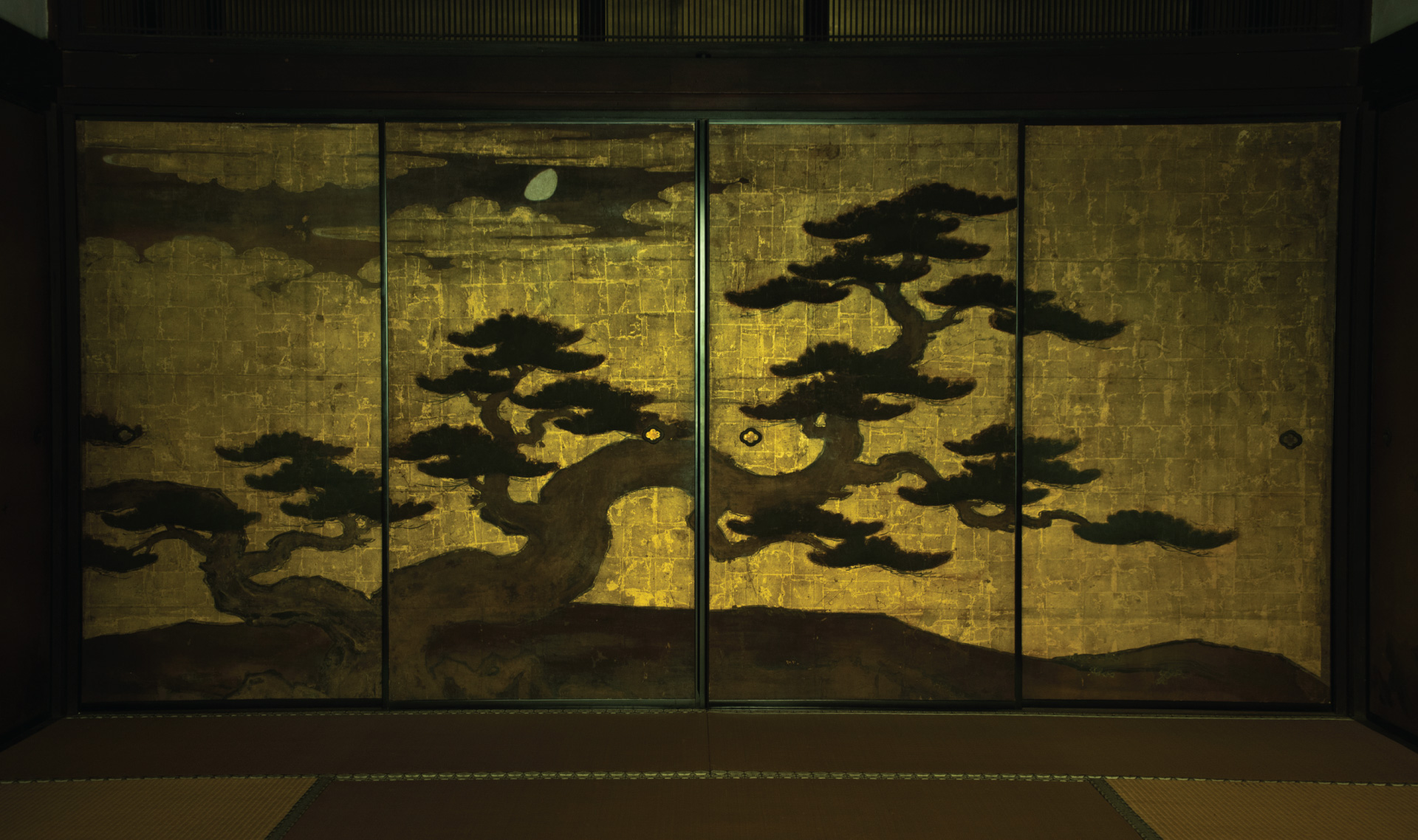
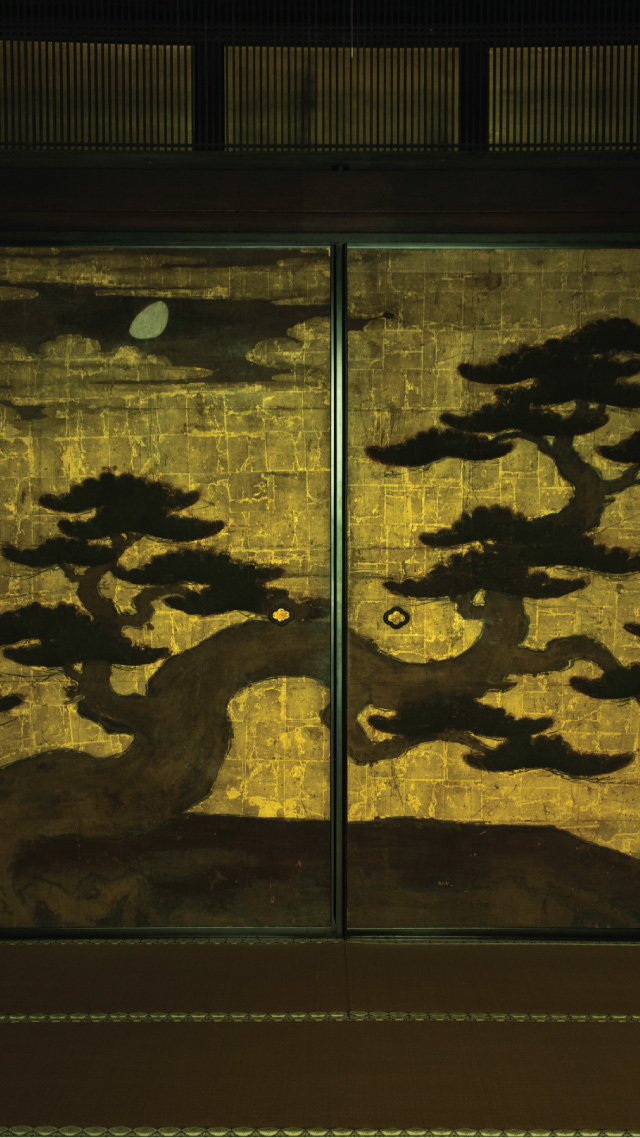
Among the sub-temples of Myōshin-ji, the head temple of the Myōshin-ji branch of the Rinzai school of Zen Buddhism, Keishunin is one of the few open year-round. Visitors can walk through its designated tangible cultural properties of Kyoto Prefecture: the front gate, main hall, and study hall.Highlights also include the fusuma paintings “Pines and Crescent Moon in Gold and Blue-Green (Kinpeki Matsu Mikazuki-zu)” by Edo-period artist Kano Sansetsu, whose works are also held in overseas museums, along with various other extant furnishings.
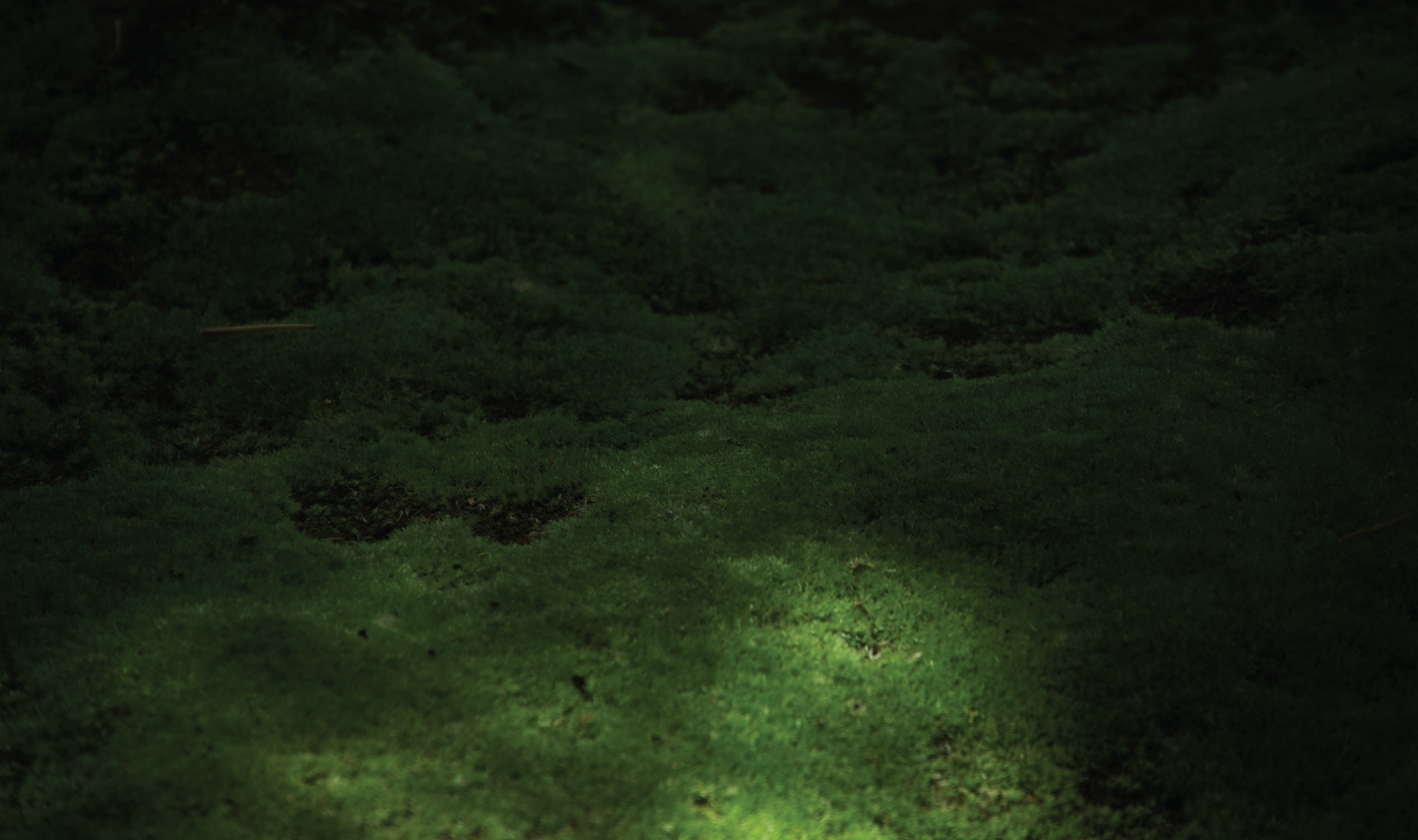
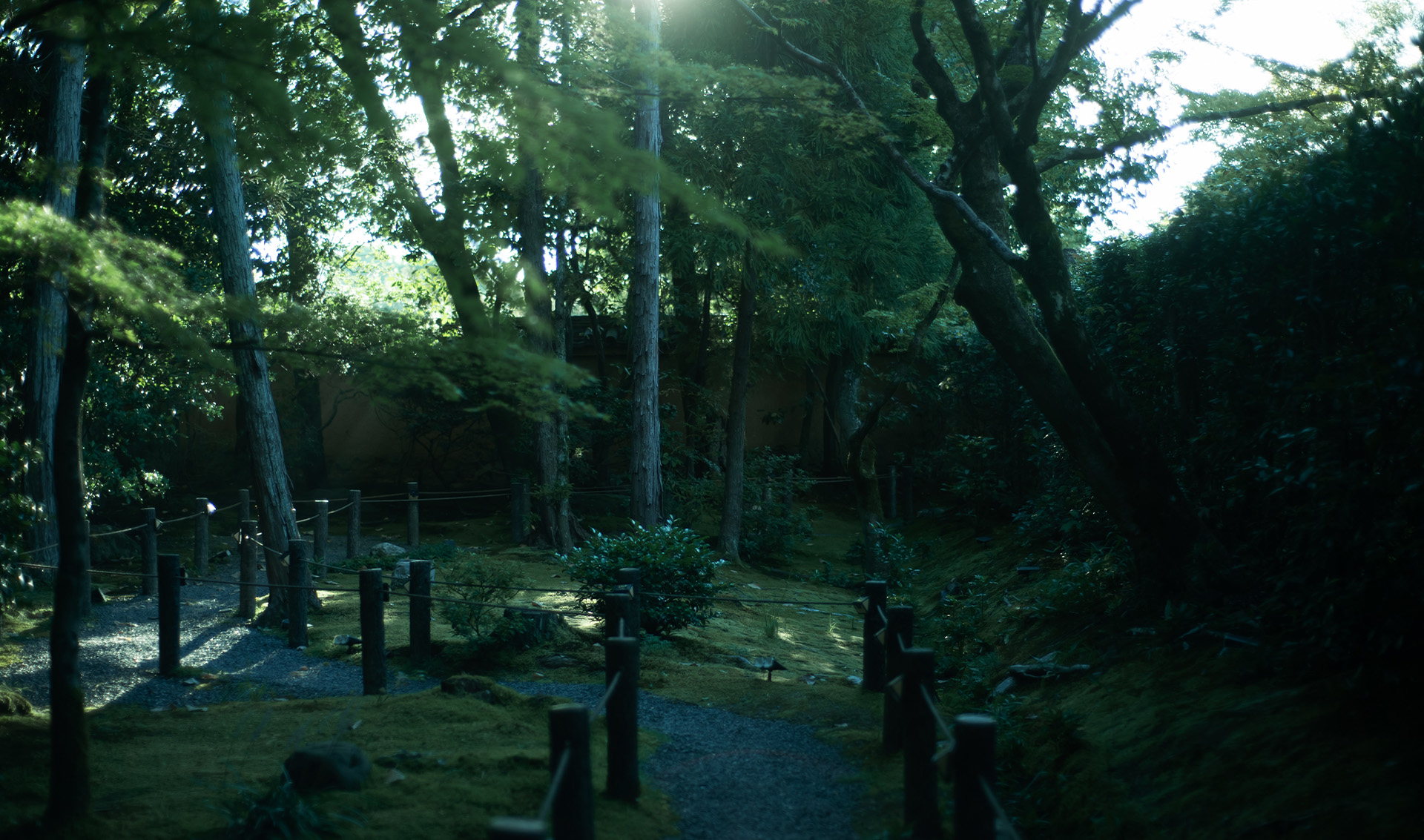
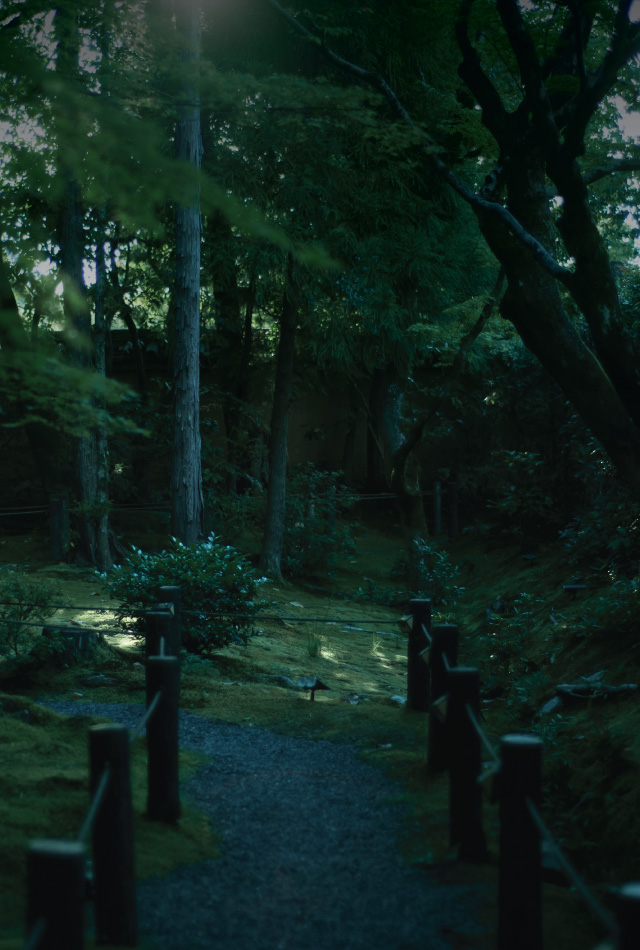
This garden was created by Gyokuenbo, a monk and landscape architect who was a disciple of Kobori Enshu, a successor to Sen no Rikyu.Gyokuenbo is said to have also been involved in designing Katsura Imperial Villa, hailed as the “supreme masterpiece of Japanese garden art.”The Japanese gardens arranged at Keishunin depict distinct landscapes through creative ingenuity, representing the journey of a monk entering training until he attains enlightenment.
Even after many years, Keishunin retains its unchanging tranquil
scenery.
The changing seasons, especially spring, summer, autumn,
and winter,
combined with the beautiful architecture and gardens,
reveal an indescribable Japanese beauty to visitors.
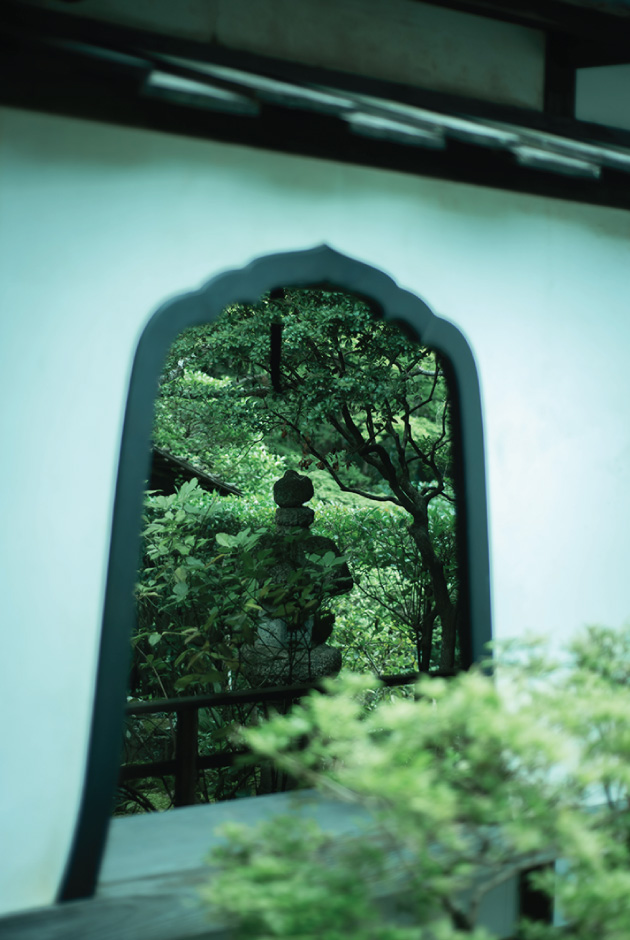
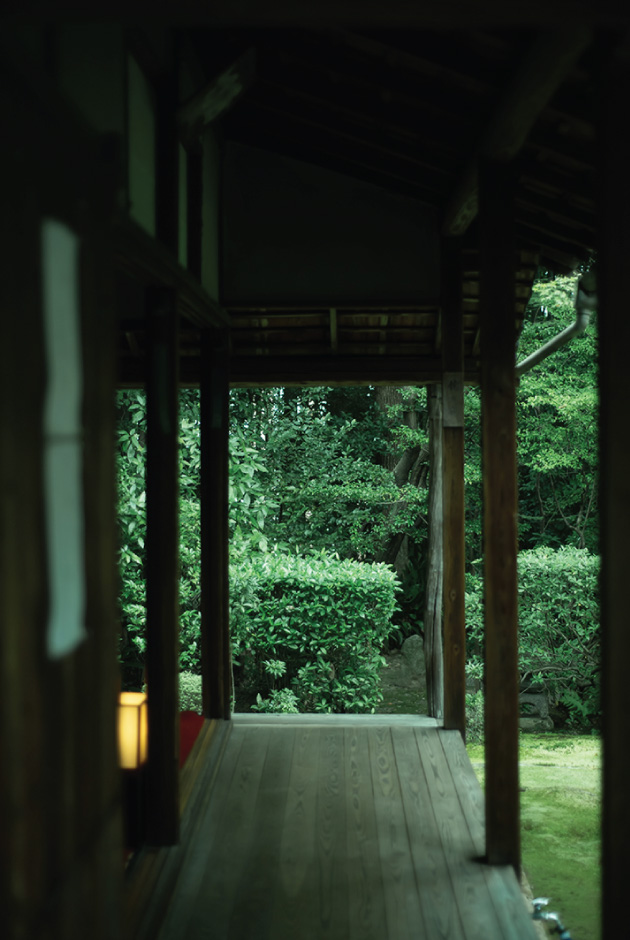
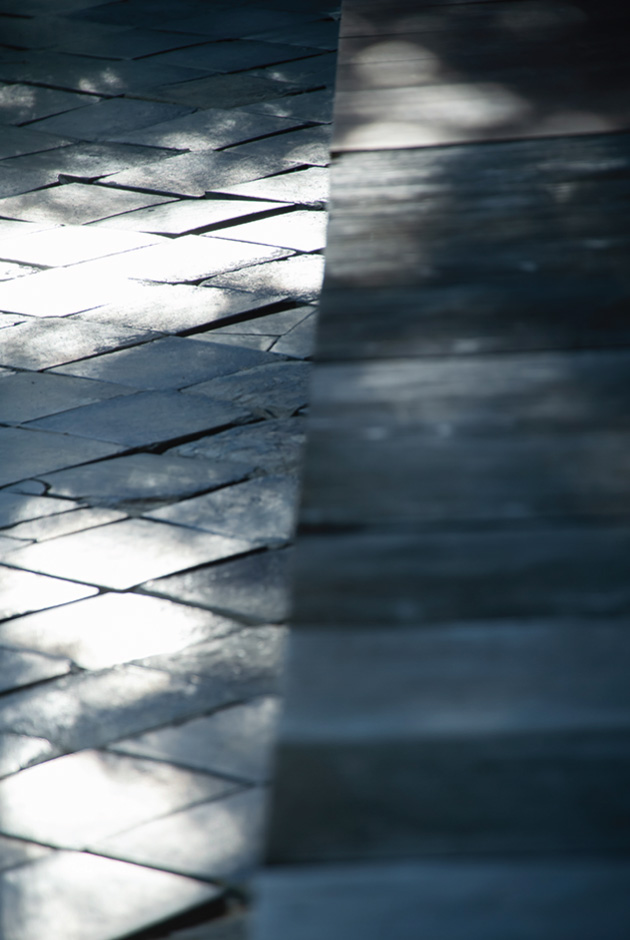
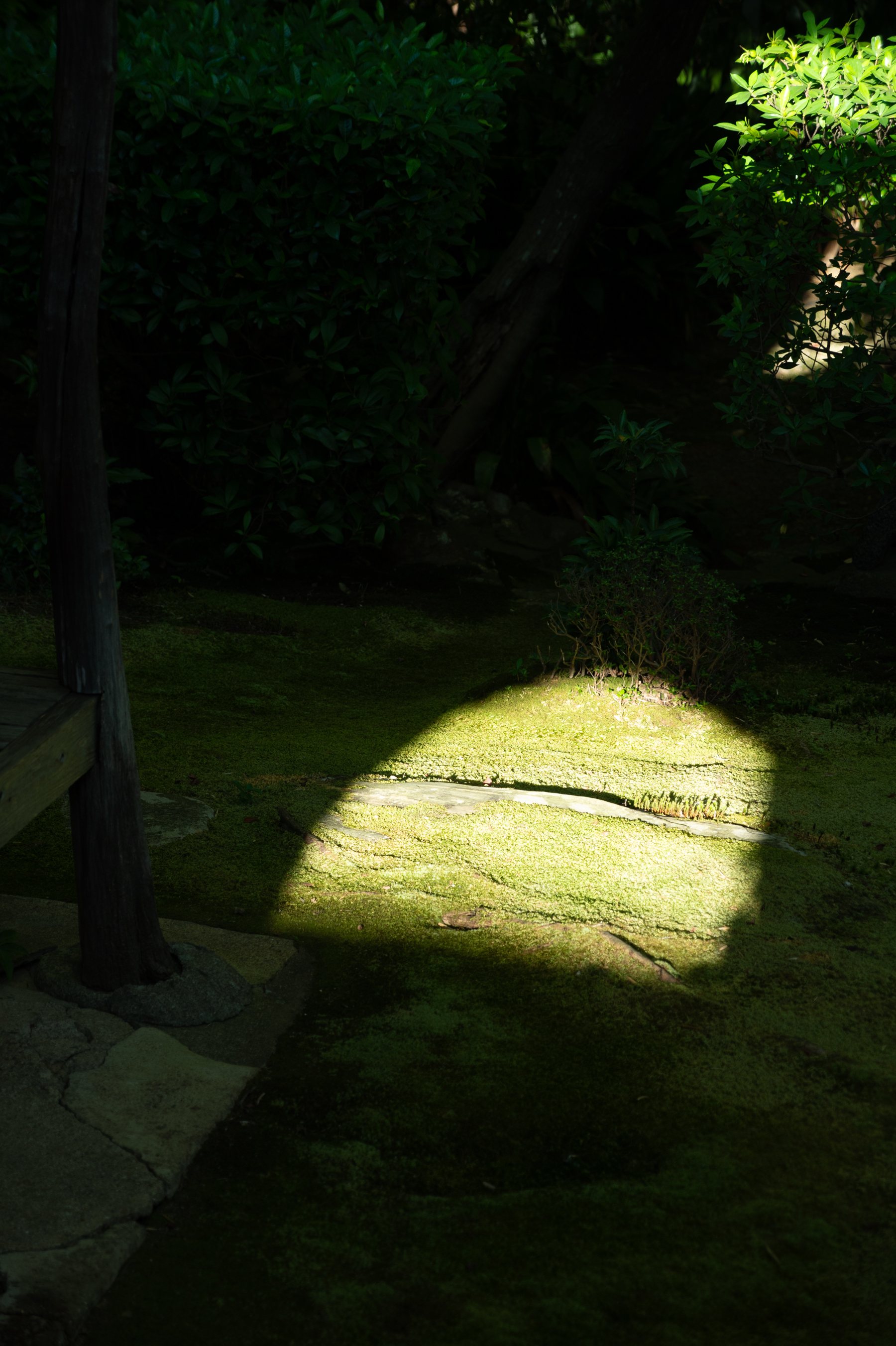
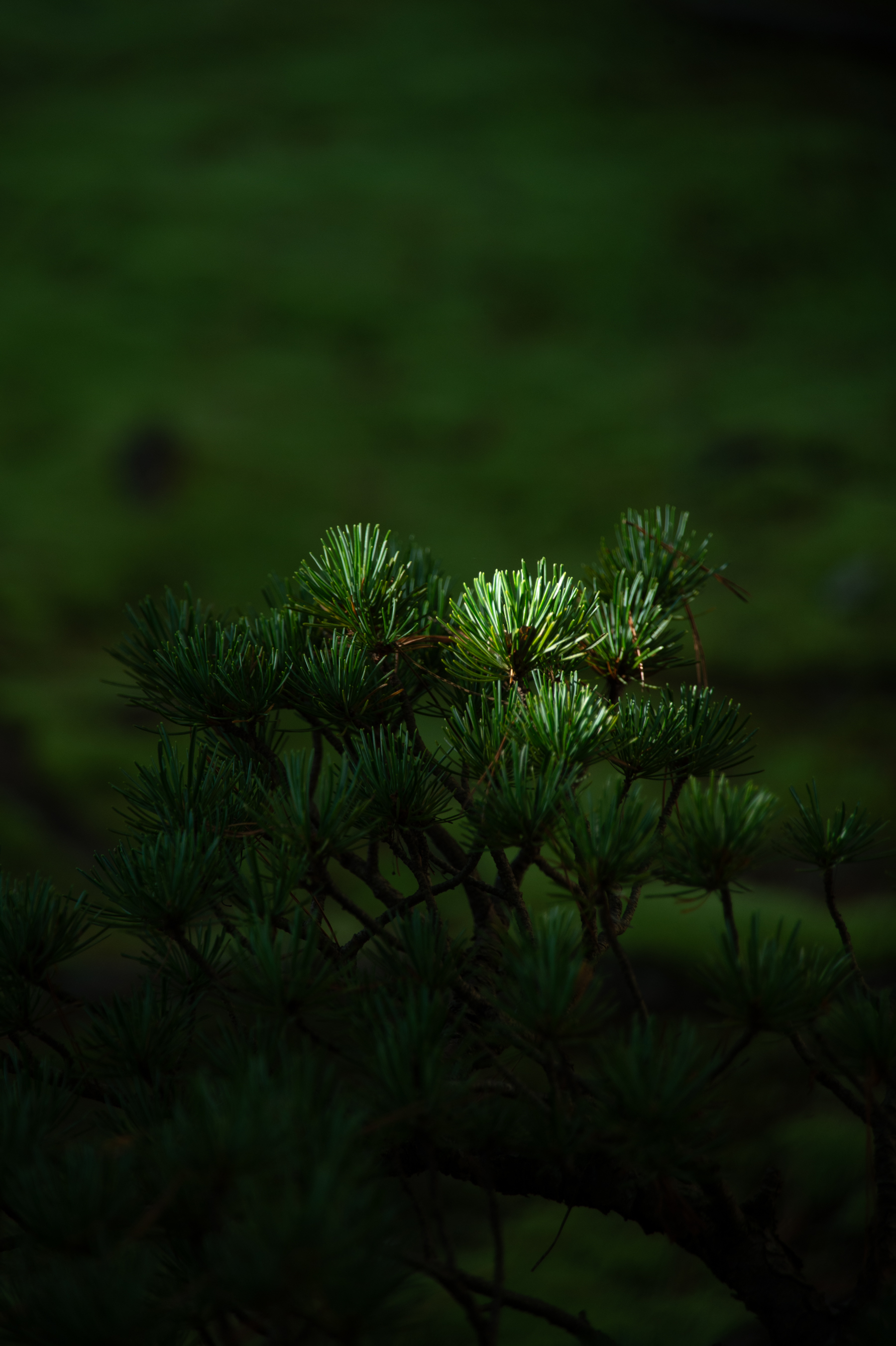
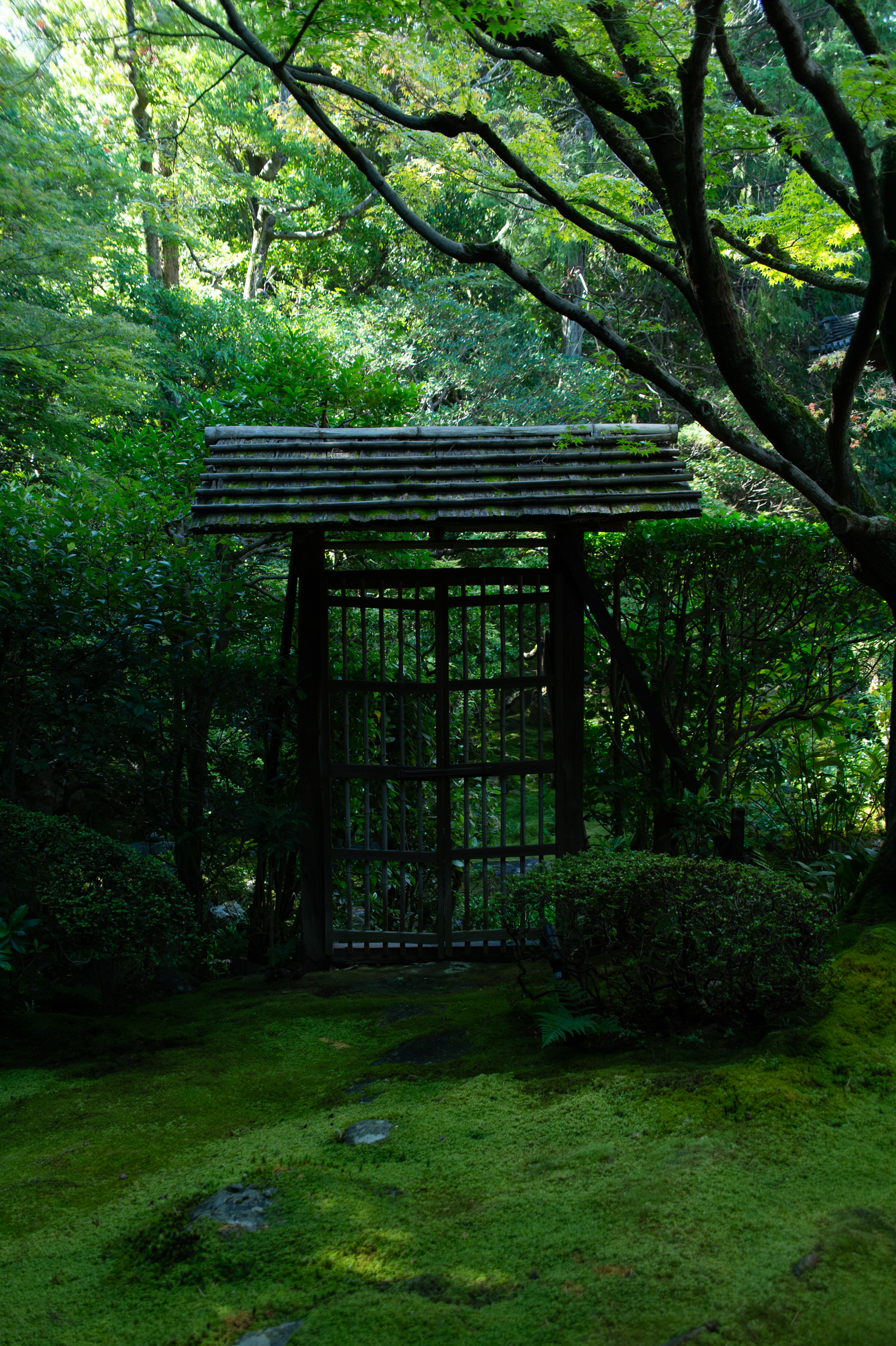
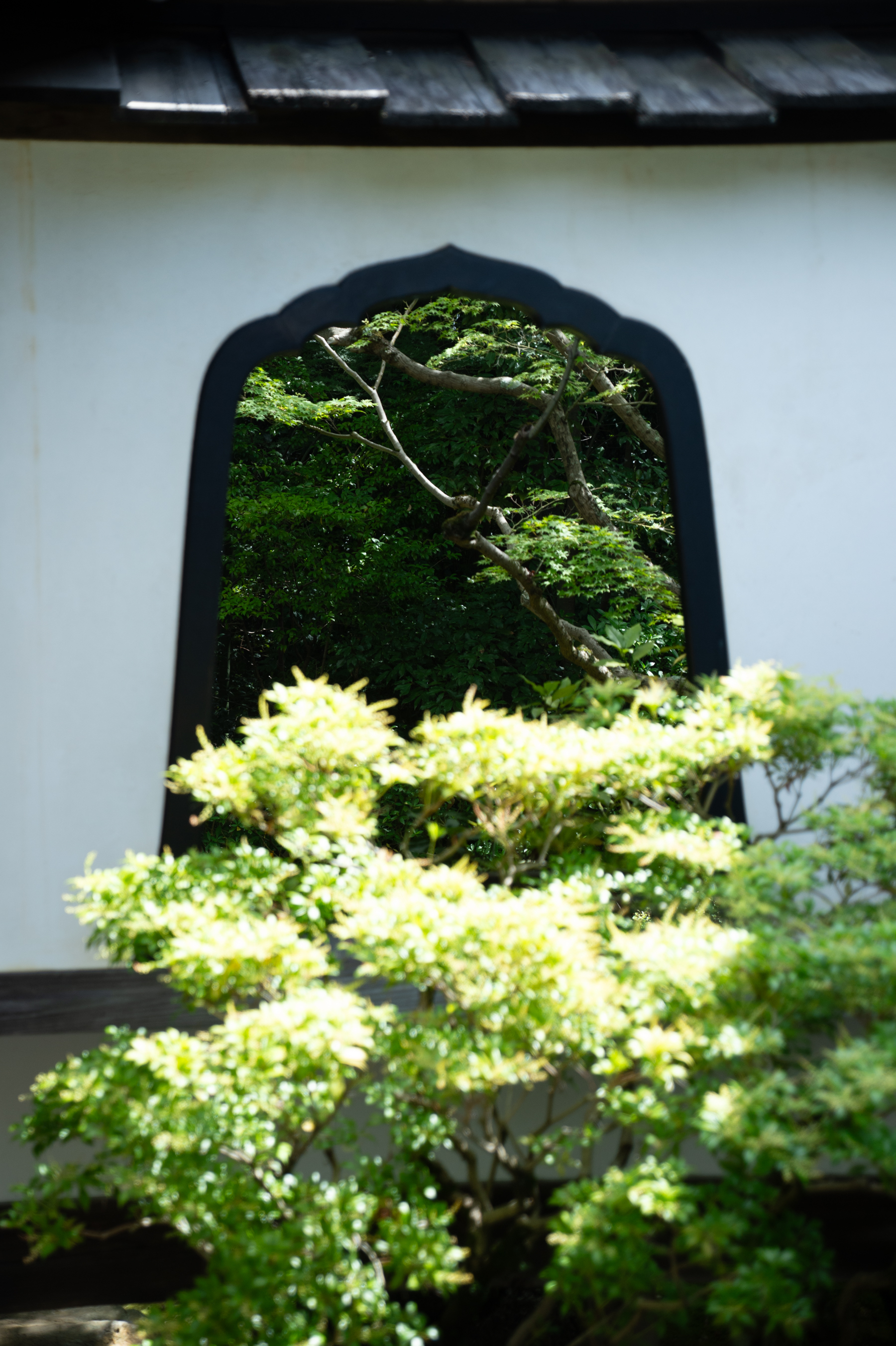
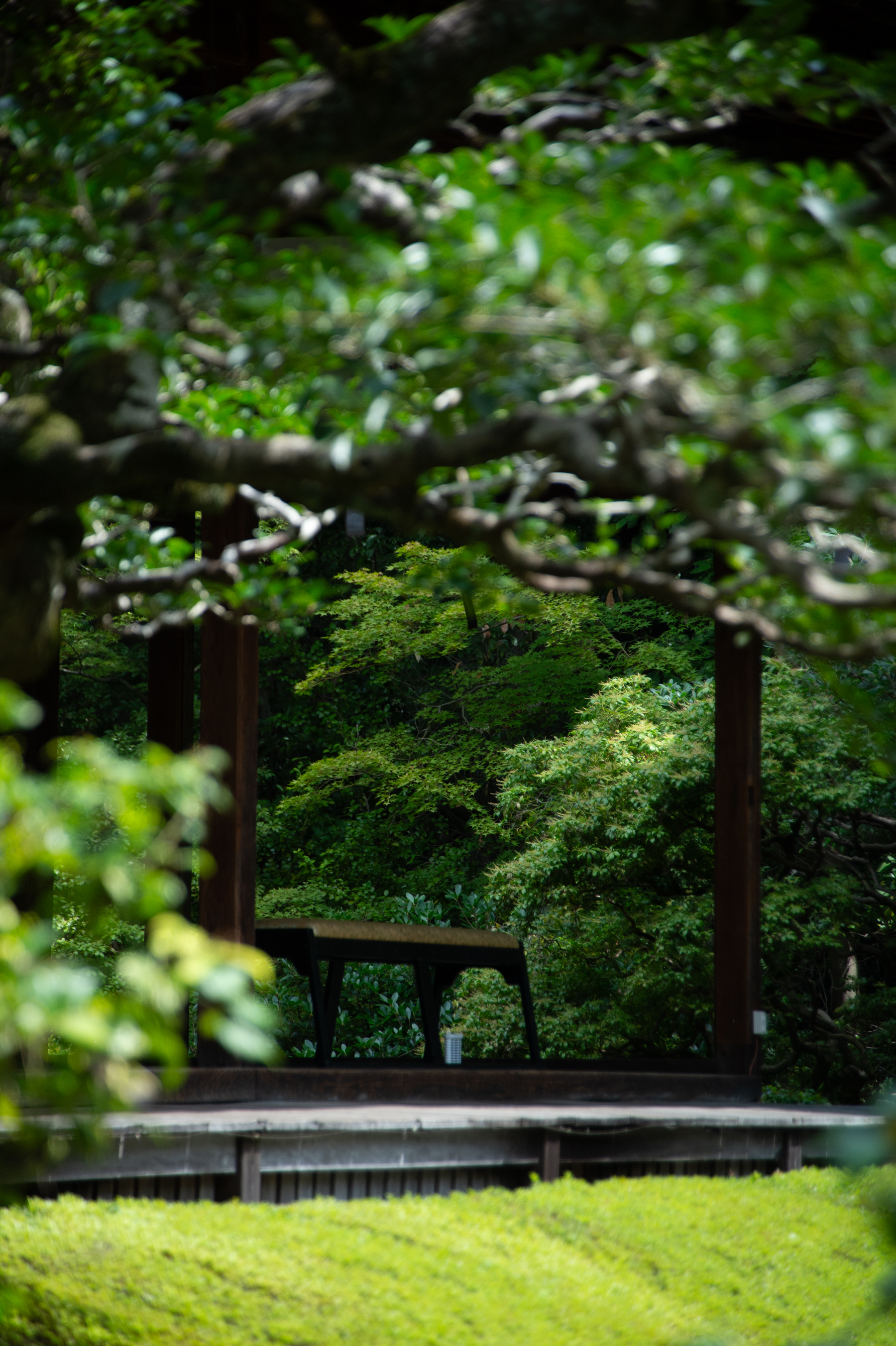
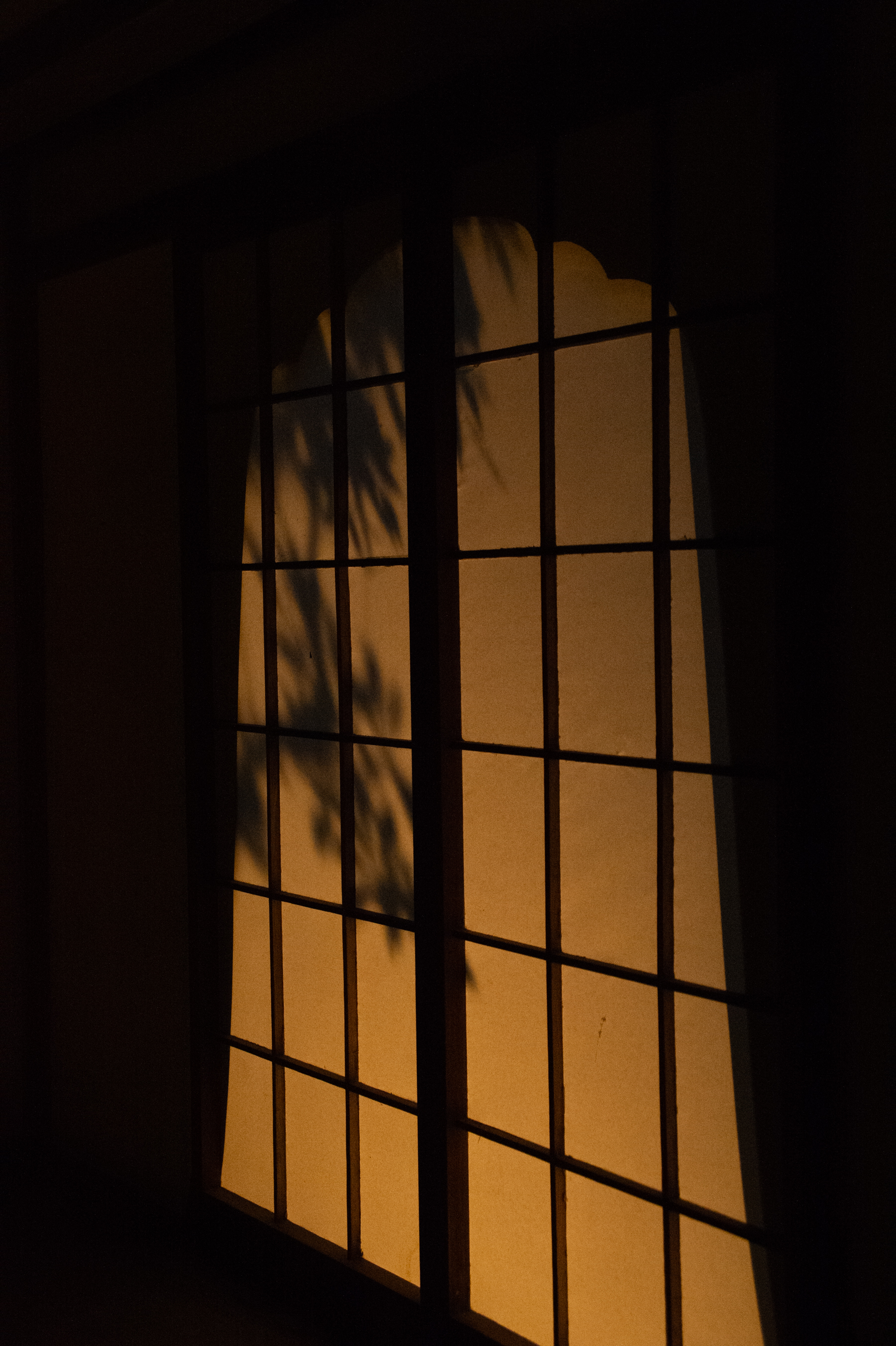
Keishunin, home to cultural properties and national historic
beauty and places of scenic beauty,
provides a space for
expressing the aesthetic sensibilities it has inherited.
It hosts
irregularly scheduled exhibitions featuring various artists from
Japan and abroad.
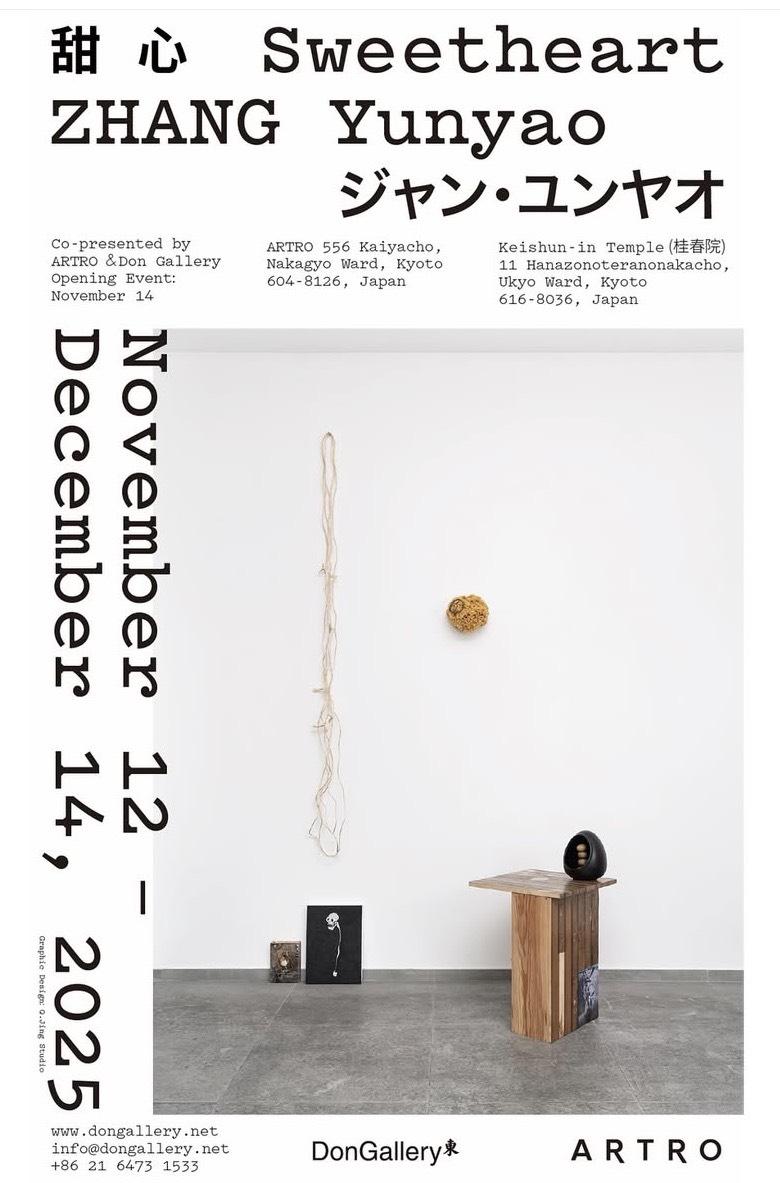
甜心 Sweetheart
ZHANG Yunyao ジャン・ユンヤオ
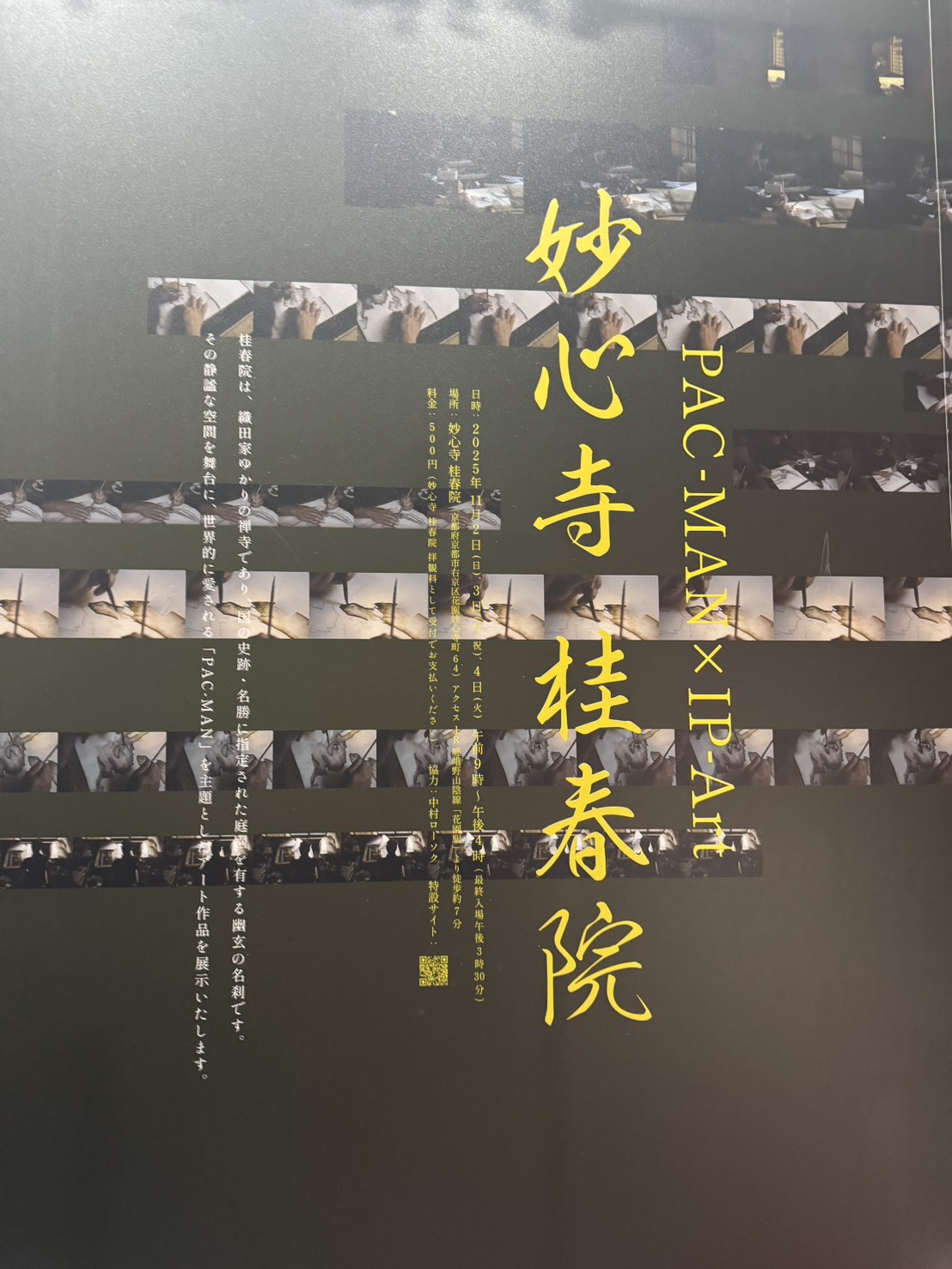
PAC-MAN × IP-Art
妙心寺 桂春院
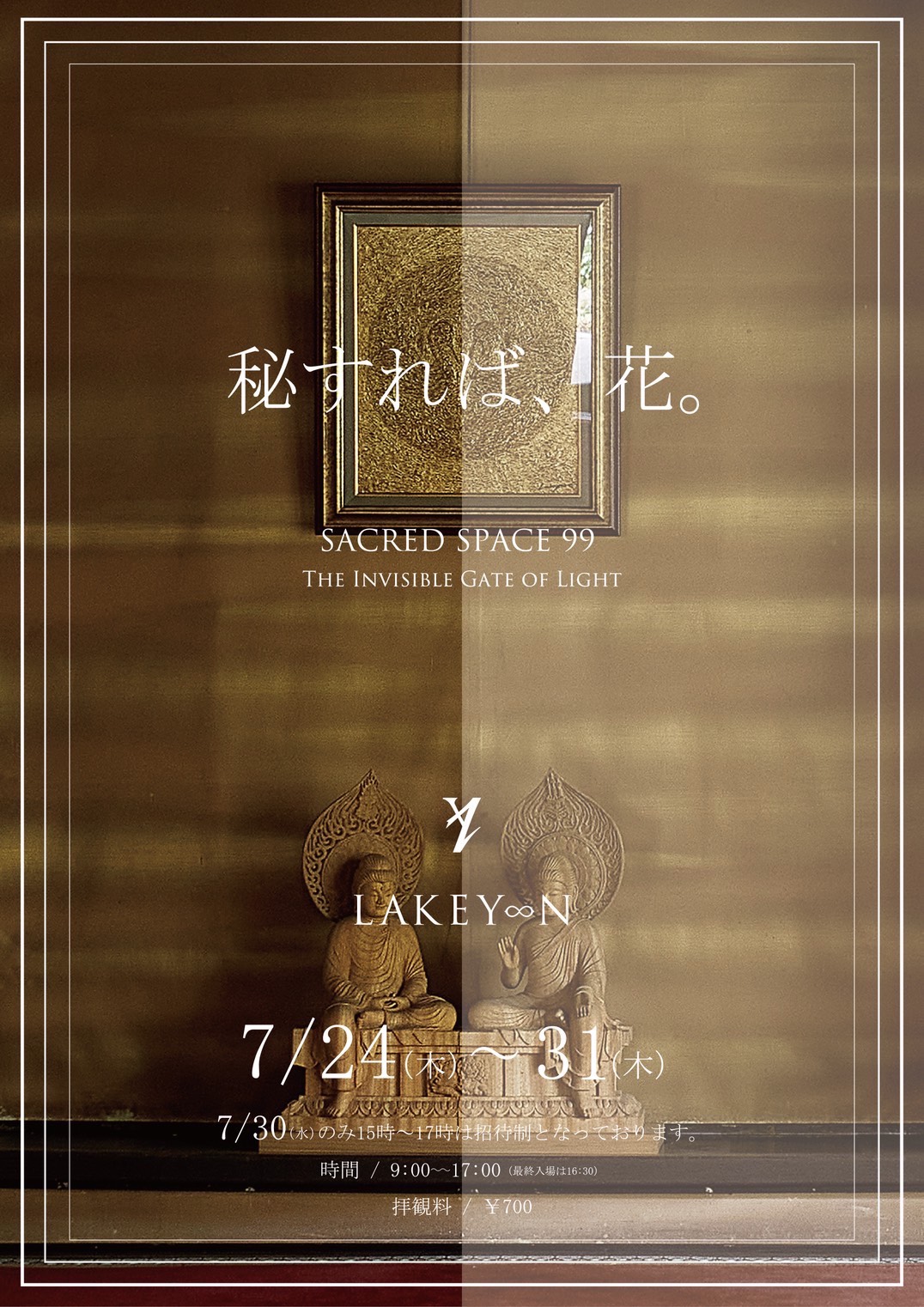
秘すれば、花。 SACRED SPACE99
THE INVISIBLE GATE OF LIGHT LAKEY♾️N
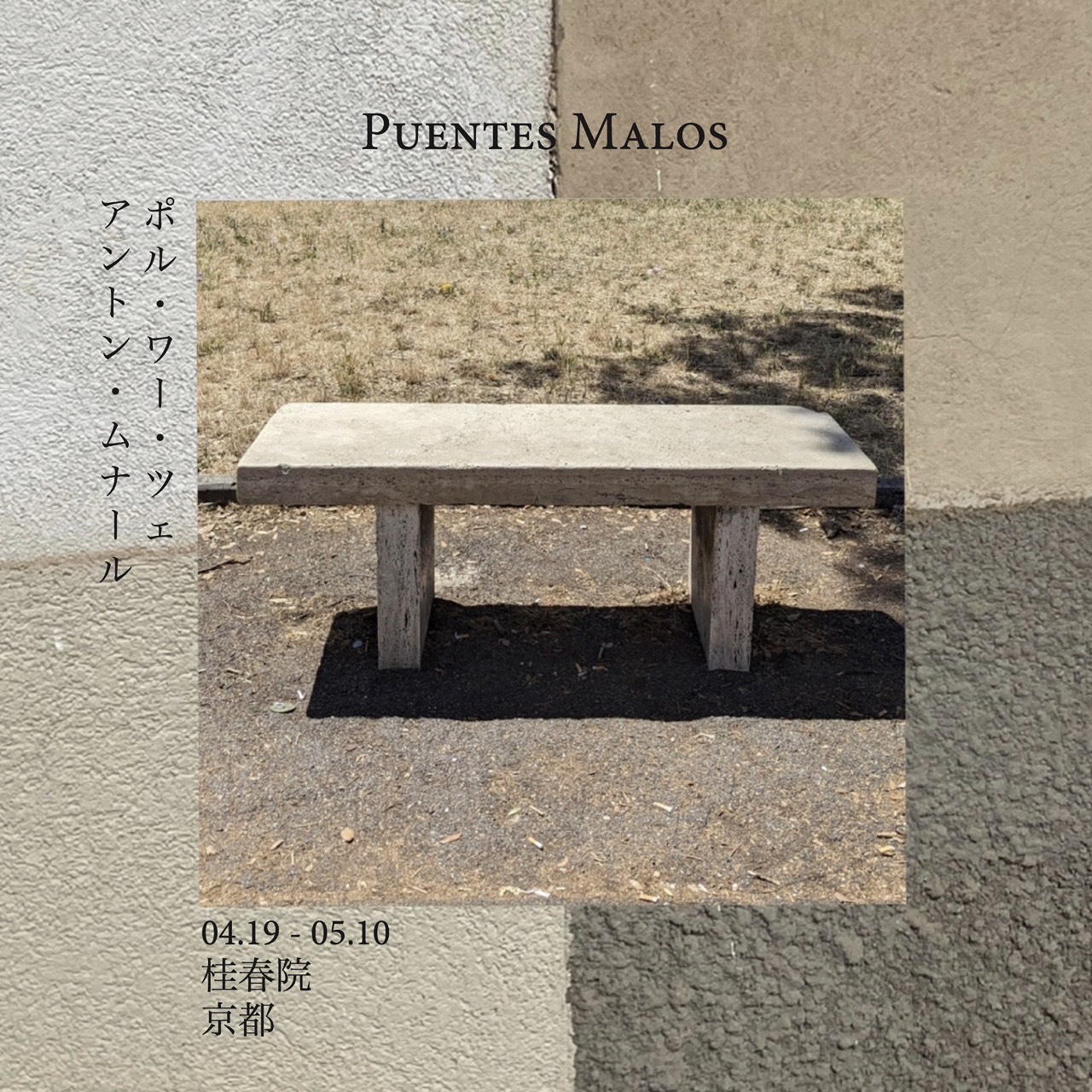
PUENTES MALOS
ポル・ワー・ツェ アントン・ムナール

THE OAK And Good Neeighbor Brands
POP UP
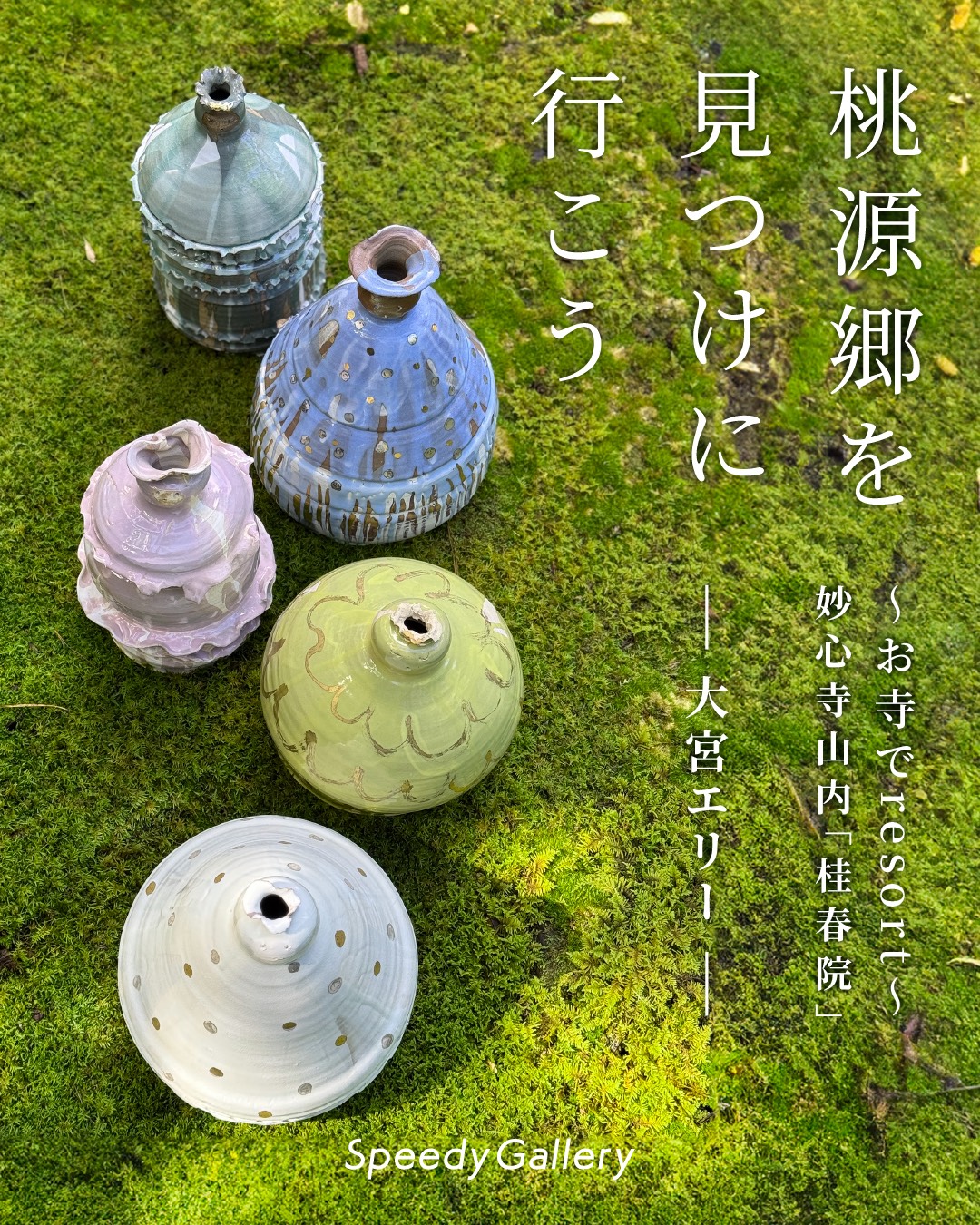
桃源郷を見つけに行こう 〜お寺でresort〜
大宮エリー
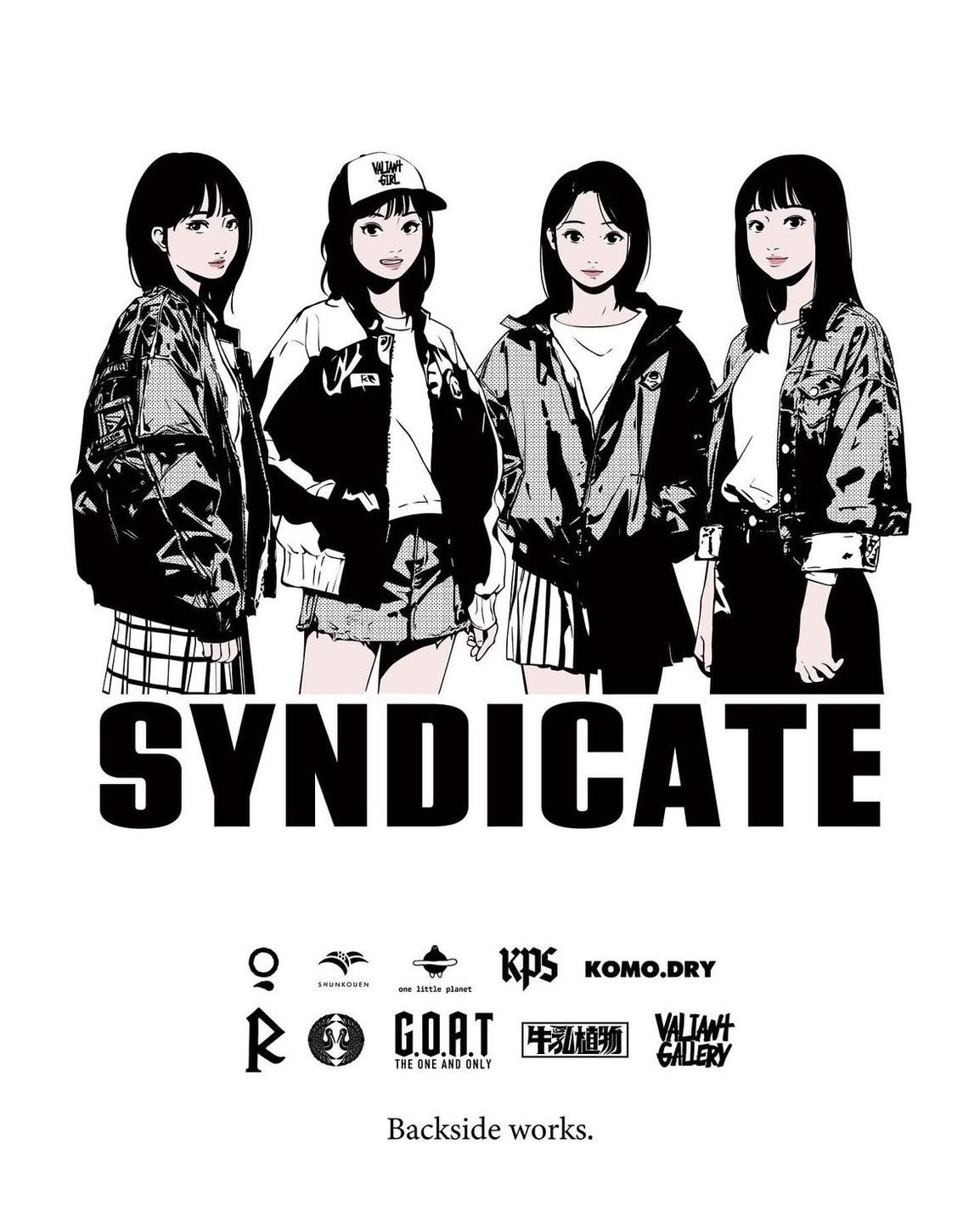
SYNDICATE Backside works.
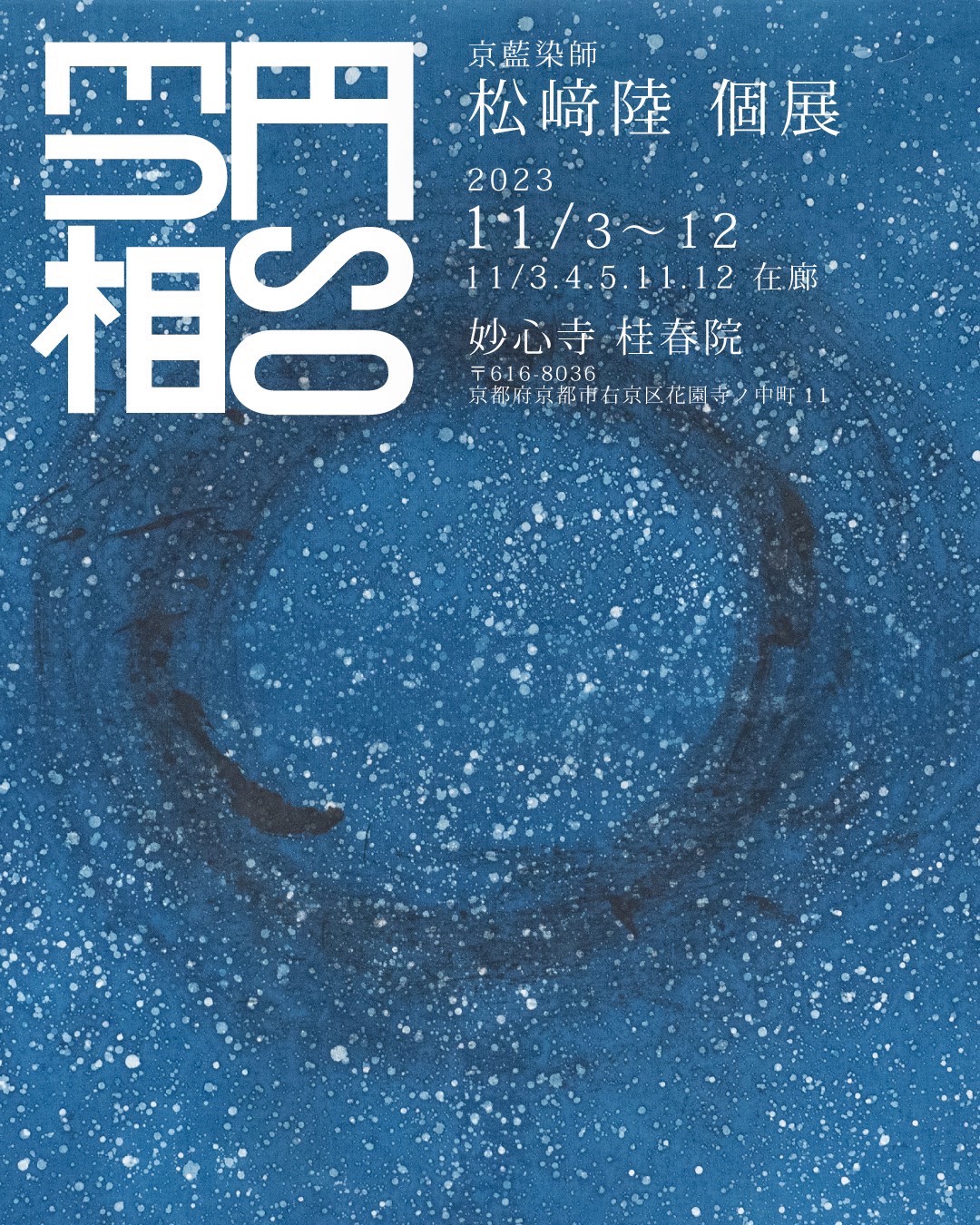
京藍染師 松﨑陸個展「円相」
Casie Art Hub kyoto
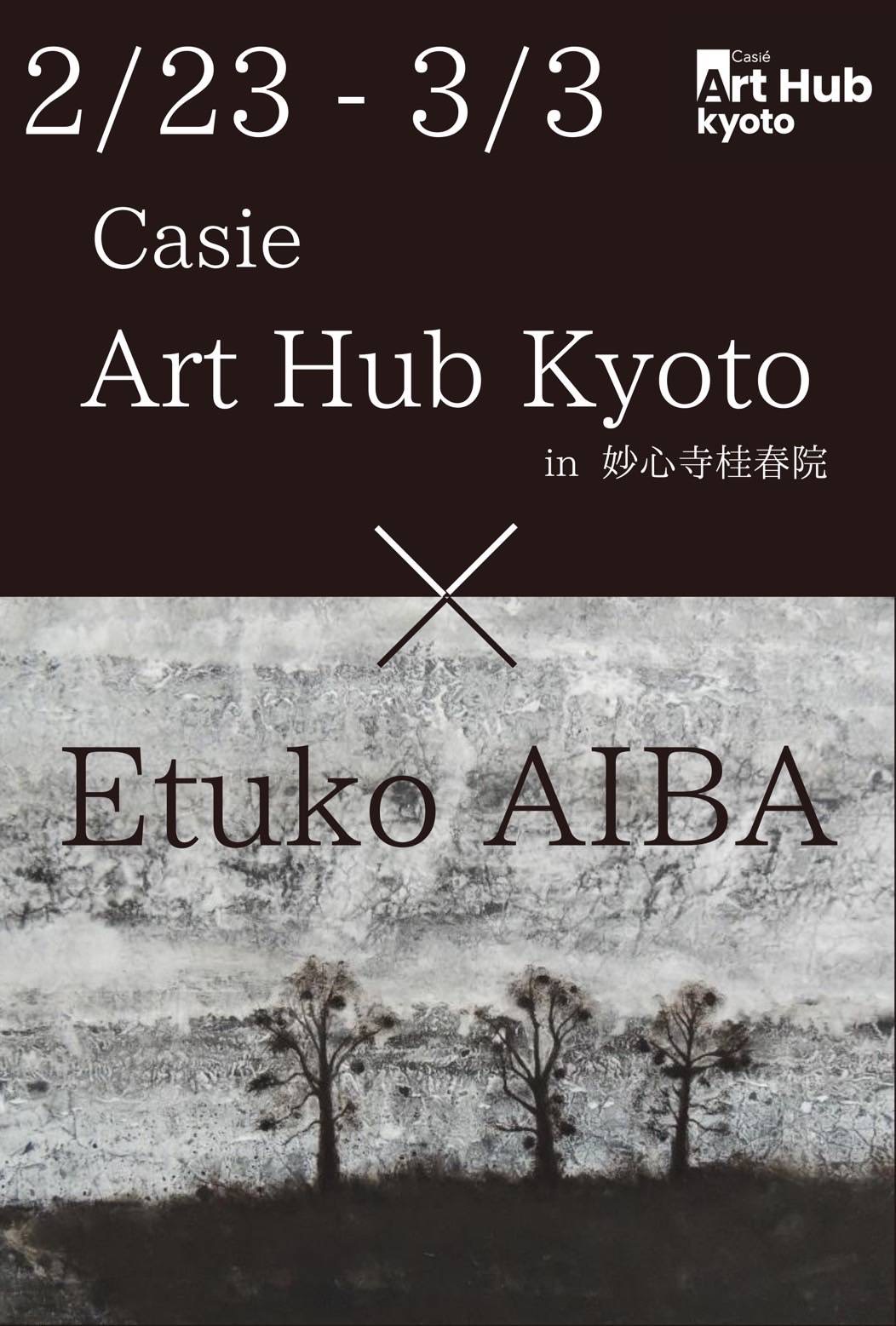
Art Hub Kyoto x Etsuko AIBA